Flexible Fabrication for Custom and High Volume Applications
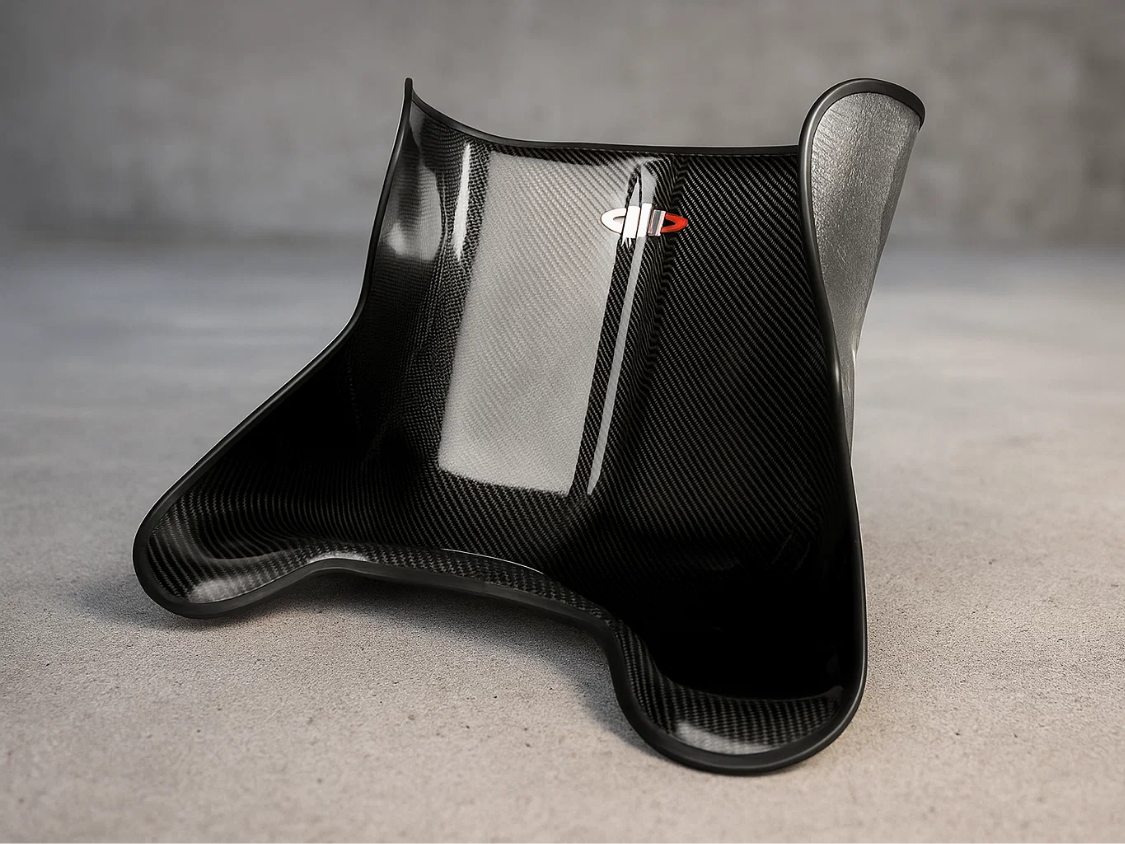
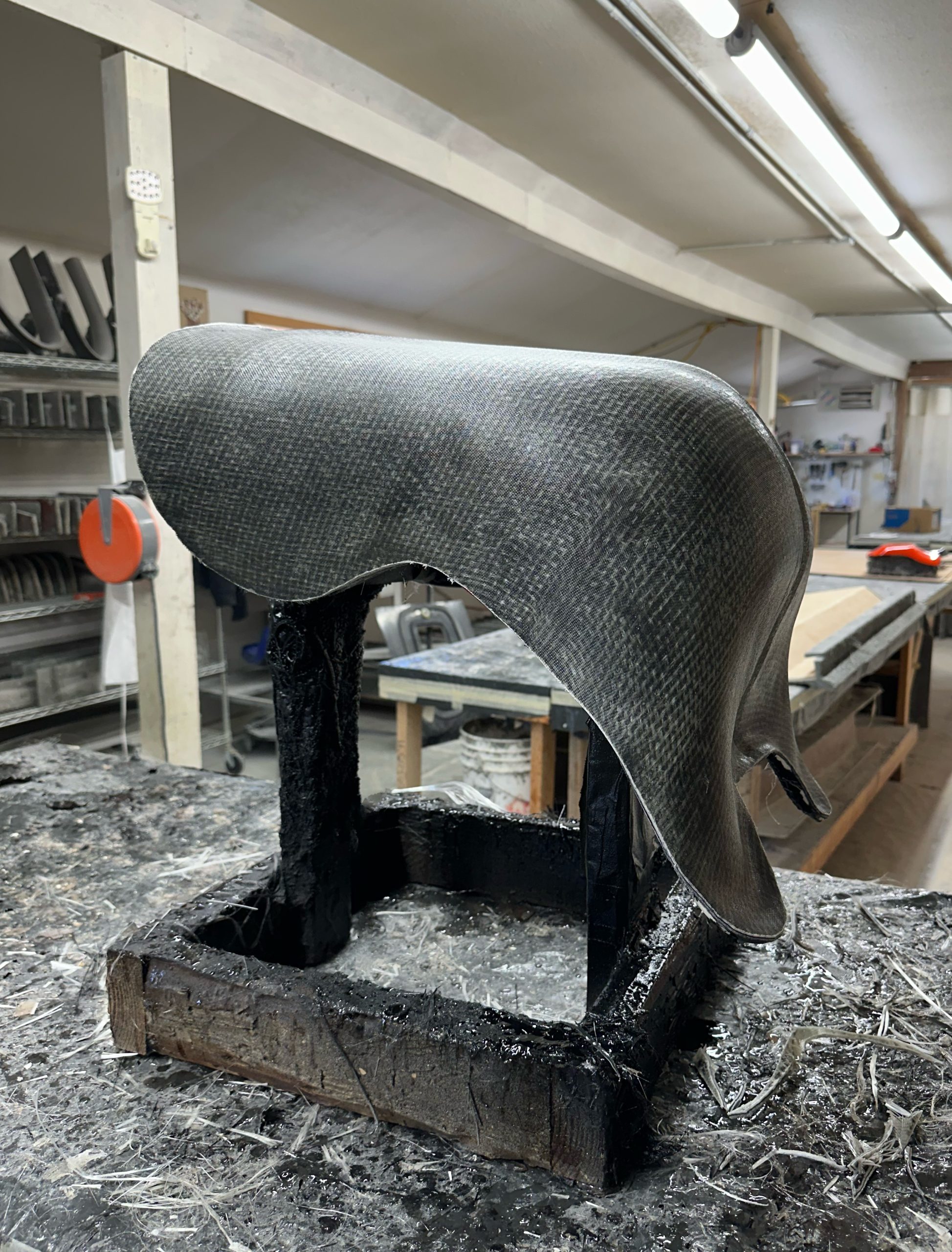
This method is ideal for intricate shapes and large production runs, with each part expertly laid up by hand for full control and consistent results.

Precision Craftsmanship for Complex and Custom Composite Builds
What Is It
How It’s Used
Benefits
Precision and Flexibility
Hand layup offers exceptional control over every aspect of the composite structure, from the precise placement of fibers to the even distribution of resin. This method enables technicians to tailor the orientation, thickness, and layering of reinforcement to meet specific mechanical, thermal, or aesthetic requirements. Complex geometries, intricate contours, and detailed surface features can be replicated with accuracy. Because adjustments can be made during the layup, the process supports unique design needs, enhances performance in targeted areas, and ensures a final part that balances strength, weight, and visual appeal without the limitations of fully automated fabrication methods.
In-House Tooling and Mold Control
Our in-house tooling capability allows us to design, engineer, and fabricate both male and female molds with precision. By managing the mold creation process ourselves, we maintain exact dimensional accuracy and surface quality for every project, even those with highly contoured or asymmetric shapes. This approach ensures consistency from part to part, shortens lead times, and allows for rapid design adjustments when needed. Because our molds are built to withstand repeated use, clients benefit from a stable production process that consistently delivers parts with the required fit, finish, and performance specifications.
Adaptability for Special Projects
Hand layup is ideal for applications where flexibility, customization, and craftsmanship are paramount. It excels in producing short production runs, prototypes, or highly intricate components that automated methods cannot efficiently replicate. This adaptability makes it suitable for industries requiring restoration of vintage equipment, custom design elements, or functional tooling for unique manufacturing processes. Because the method allows for adjustments during fabrication, it supports rapid problem-solving and creative solutions for challenging project requirements, ensuring that even one-off builds meet the same performance and quality benchmarks as high-volume production parts.
Custom Material Integration
With hand layup, we can strategically combine fiberglass with other advanced materials such as carbon fiber, aramid, or specialty woven fabrics. This hybrid approach allows for the creation of parts with optimized performance characteristics, such as increased stiffness in high-stress zones, reduced weight in non-critical areas, or enhanced resistance to impact, heat, or chemicals. Materials can be layered selectively, ensuring that each region of the component delivers the right balance of properties for its intended function. The result is a custom-engineered composite solution that outperforms single-material builds in both specialized and demanding applications.
Enhanced Surface Quality
To achieve the highest-quality finishes, we integrate techniques such as vacuum bagging and peel ply application into our hand layup process. These methods help reduce air entrapment, promote optimal resin flow, and improve laminate consolidation, resulting in stronger, more uniform parts. Enhanced surface smoothness not only improves appearance but also contributes to better aerodynamic or hydrodynamic performance when required. By controlling resin content and fiber compaction, we ensure each part meets stringent surface and structural standards, whether it is destined for a high-visibility application or a demanding functional role.
Built-In Quality Control
Unlike automated fabrication techniques, hand layup offers the advantage of continuous monitoring and adjustment throughout the process. Our technicians inspect each layer for fiber alignment, resin saturation, and surface integrity before moving to the next stage. This hands-on quality assurance ensures that any issues are addressed immediately, preventing defects from propagating through the structure. The result is a consistently reliable composite part with structural integrity and visual quality aligned to project specifications. This close attention to detail is particularly valuable for critical applications where precision and performance cannot be compromised.
Why We Use It
Photo Gallery