As more people embrace travel, flexibility, and outdoor living, the recreational vehicle (RV) and camping industry continues to evolve rapidly. From compact camper vans to luxurious motorhomes, today’s RV buyers are looking for a combination of durability, comfort, performance, and style. Materials used in manufacturing now play a critical role in meeting these expectations. One material in particular, fiberglass, is helping RV manufacturers deliver stronger, lighter, and more weather-resistant vehicles that stand up to the demands of modern travel.
Fiberglass has become a trusted material in RV and camper design because of its ability to resist the forces of nature. It offers a unique combination of strength, durability, and weather resistance that traditional materials like metal or wood simply cannot match. Whether parked in direct sunlight, driven through rain, or stored in a humid climate, RVs made with fiberglass are far more likely to maintain their structural integrity over time. It also resists rust, corrosion, and warping, which helps RVs last longer with less maintenance.
One of the most important reasons fiberglass is used in RV construction is its low weight. Fiberglass is significantly lighter than metal, yet it remains very strong. A lighter RV is easier to tow, which makes it more accessible for drivers with standard vehicles and improves fuel efficiency over long distances. For full-time travelers or families planning road trips across the country, weight matters. Lighter materials reduce strain on the vehicle and towing system, which contributes to lower fuel costs and safer handling on the road.

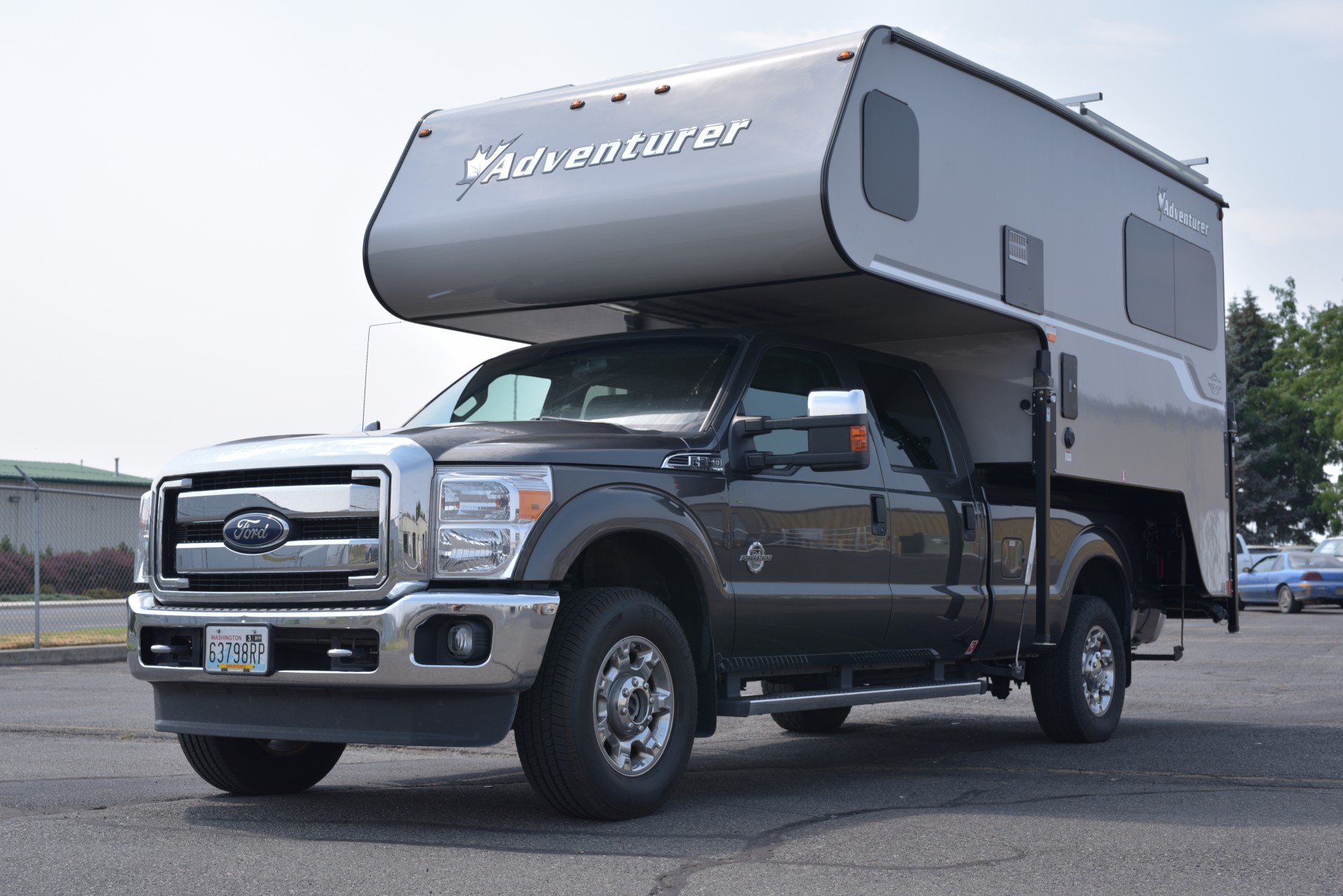
Fiberglass also gives RV manufacturers more freedom in design. Because it can be molded into nearly any shape, it allows for smooth, rounded exteriors that are more aerodynamic than the boxy metal alternatives. These streamlined shapes help reduce wind resistance, which further improves fuel economy. In addition, smoother fiberglass surfaces are less prone to catching dirt, debris, and road grime, making RVs easier to clean and maintain after a long journey.
Beyond exterior performance, fiberglass also improves thermal insulation. It helps keep the inside of the RV cool in hot weather and warm in cold climates, which is critical for comfort. This insulation effect reduces the amount of energy needed to heat or cool the vehicle. RV owners who enjoy year-round travel or camping off the grid benefit from this natural energy efficiency. Whether in the desert or the mountains, fiberglass helps create a more livable interior environment.
Fiberglass is not only used on the outside of RVs. It also plays a major role in the interior. It is commonly used for countertops, shower stalls, sinks, and bathroom panels because it resists moisture and mold. In a confined space where humidity can build up, like an RV, materials must be able to handle wet conditions without deteriorating. Fiberglass is easy to clean, does not absorb water, and stays in good condition with minimal upkeep. These qualities make it ideal for high-use areas such as kitchens and bathrooms.
The flexibility of fiberglass also makes it easier to design RVs that meet a wide range of needs. It can be molded into custom shapes and layouts, allowing manufacturers to create innovative storage compartments, sleek interiors, and tailored living spaces. This customization is especially useful in the growing trend of luxury RVs and adventure vans, where every square inch of space must be optimized. Whether for weekend travelers or full-time nomads, fiberglass helps bring design ideas to life without compromising on durability or function.
The RV and camping industries have experienced significant growth, driven by demand from families, retirees, and remote workers seeking mobile lifestyles. As this demand grows, manufacturers need materials that can scale with production while maintaining quality and performance. Fiberglass meets this need by being easy to fabricate, durable in transit, and cost-effective for mass production. It allows manufacturers to maintain consistency and reliability across different models and sizes of RVs.
People invest in RVs for the freedom to explore and the comfort of taking home on the road. Fiberglass supports that vision by offering a material that is both practical and high performing. It allows for lightweight construction, better insulation, greater longevity, and easier upkeep. For RV buyers, that means less time spent on maintenance and more time enjoying travel. For manufacturers, it means a dependable material that keeps customers satisfied and products competitive.
At M&W Fiberglass, we support the RV and camping industry with custom fiberglass components that improve performance, durability, and design. Whether you are building compact campers or luxury coaches, we can help you meet your goals with precision-molded fiberglass solutions tailored to your needs.
Contact us today to learn how fiberglass can elevate your RV designs and keep your customers ready for any journey.
Enjoyed this article? Follow us on LinkedIn for more insights, tips, and behind-the-scenes looks at how we build safety and strength into every fiberglass project.